Knowing where to focus your marketing efforts can be challenging when searching for new clients, especially as an engineering or manufacturing company. It’s easy to be overwhelmed by the variety of digital marketing channels. Should you be on LinkedIn, X, TikTok, Facebook...?
A lot of marketing advice, videos, podcasts, and blog posts are full of conflicting advice about where you need to post. The majority of this is aimed at B2C brands and influencers, so how do you know if it will work for you?
The best digital marketing channel for you is wherever your clients spend their time making connections and seeking information, news, and answers. In this post, we will explore how to determine the right channel to attract new clients for your business.
The pressure to be everywhere
Most marketing advice will tell you that you must be present on every digital marketing platform. You’ve probably seen competitors posting on multiple social media channels, investing in Google Ads, and regularly updating their blogs. It's easy to assume you must do the same to stay competitive. Generic advice and the fear of missing out can push you to spread your efforts too thinly across numerous channels, inevitably leading to mediocre results.
This approach can be more frustrating than effective. You might invest significant time and resources into maintaining a presence on various platforms, only to find that the return on investment isn't what you expected. You may wonder why, despite your efforts, you're not seeing a substantial increase in enquiries or conversions. It’s because simply being present on a channel isn't enough, what matters is being present on the right channel.
Focus on where your clients are

Instead of trying to be everywhere at once, consider this alternative perspective: the best digital marketing channel for your business is where your potential clients spend their time and look for answers. Your clients are unique, with specific needs and behaviours, and the channels they use to find information will reflect this.
For example, if you provide highly specialised engineering services, your potential clients are unlikely to be searching for solutions on Instagram or TikTok. They’re more likely to be using LinkedIn to find professionals in their industry and discover useful content, or Google to search for highly specific solutions. Understanding where your (potential) clients spend their time and how they seek answers to their questions is crucial in determining where you should focus your marketing efforts.
For Carbon Fibre Tubes, whose buyers search for specific solutions, Google Ads and SEO are the channels that bring in leads. For Zarafa, whose buyers research on LinkedIn, that is where the campaign reaches them.
What’s the best channel for marketing an engineering or manufacturing company?
Here's how you can get started. To find the right channel for your business, follow these steps:
-
Identify your ideal client
Create profiles that include their roles, industries, and specific pain points. Consider where people and businesses that fit the profile spend their time online, and where they seek answers to questions. -
Research your target audience’s digital habits
Find out which websites they visit, which social media platforms they use, and how they search for solutions to their problems. Use tools like Google Analytics, LinkedIn Analytics, and industry surveys to gain valuable insights into the online behaviours of your ideal clients. -
Based on your research, choose your channels
Select the one or two channels where your clients are most active. Focus on these channels and create content that answers your clients’ questions and addresses their pain points. It’s better to have a strong, consistent and authoritative presence on one or two channels than to be spread thinly across many. -
Measure and adjust your marketing tactics
Monitor the performance of your selected channels and utilise analytics to track engagement, leads, and conversions. Be ready to adjust your strategy to achieve the desired results.
For example, Your ideal client may well have Instagram and TikTok on their phone but unless they’re using these platforms in ‘work mode’ there’s little point in you showing up there and trying to engage them.
However, if your ideal client is an avid LinkedIn user, creating and sharing useful content on LinkedIn will help you connect with them. Equally, if they use Google as a problem-solving tool, searching for information and answers, you can post focused articles and content on your company website to drive traffic.
3-step sector specific marketing process
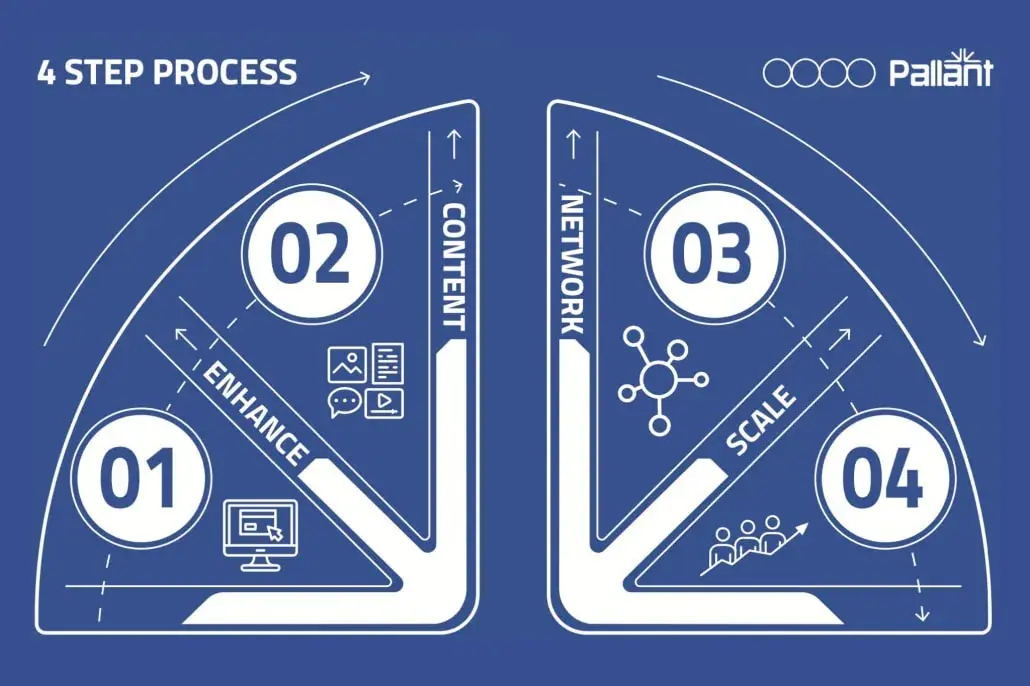
The 3-step marketing process attracts the right leads and grows your business. This approach prioritises the essentials, ensuring that clients finding you through referrals or search see a professional website that highlights your capabilities. It also maximises your marketing budget by leaving Ads until after your website is ready to convert leads.
- 1. Enhance your website and brand: make your website the destination every channel points back to, ready to convert the visitors it sends.
- 2. Create compelling content: publish content tuned to the one or two channels your buyers actually use, whether that is search or LinkedIn.
- 3. Activate your network and scale new leads: build a consistent presence on your chosen channels and use paid ads to extend your reach where your buyers spend their time.
See how the channels work together across each stage in our B2B marketing process guide.
Focused marketing leads to better results
Effective digital marketing for your engineering or manufacturing company relies on you focusing your efforts on the channels where your clients spend time as part of running their businesses. By avoiding the temptation to copy others or spread yourself too thinly, you can invest your marketing resources in a more targeted, strategic way. The key is to research and understand your clients' digital habits, select the right channels, and consistently deliver quality content that will help your target audience.
Partnering with a specialist marketing consultancy can make all of this much easier. A consultancy can provide expert insights, manage your campaigns, and create content that will engage your ideal client. This allows you to focus on what you do best, running your business, while knowing that your digital marketing is in capable hands.
By adopting this focused approach, you'll reach the right clients, build stronger relationships, and achieve more sustainable growth for your business.
Read the video transcript
Knowing where to focus your marketing efforts can be really challenging when you're searching for new clients, especially as an engineering or manufacturing company. It's easy to be overwhelmed by the variety of digital marketing channels, should you be on LinkedIn, X, TikTok, Facebook.
A lot of marketing advice, videos, podcasts, even blog posts are full of conflicting advice about where's best to post.
The majority of this is also aimed at B2C brands and influencers, so how do you know if any of it's going to work for your business? The best channel for your business is where your clients spend their time making connections, seeking information, and answers to their questions.
My name is Simon Batchelar and in this video I'll explain how you can determine the right channel to attract new clients for your business.
Most marketing advice will tell you that you must be present on every digital marketing platform. You may have even seen your competitors posting on multiple social media channels, maybe they're buying Google ads, or maybe they're regularly updating their blog. And it's easy to assume that you need to do exactly the same in order to stay competitive.
Generic advice and fear of missing out can push you to spread your efforts too thinly across numerous channels, inevitably leading to mediocre results.
This approach can be more frustrating than it is effective. You may have invested significant time and resources into maintaining a presence on various platforms only to find that the return on investment just wasn't what you expected. You may wonder why despite all this effort you're not seeing an increase in inquiries or conversions. And it's probably because simply being present on that channel isn't enough. What matters is being present on the right channel. So instead of trying to be everywhere all at once, let's consider an alternative perspective.
The best marketing channel for your business is where your potential clients spend their time and look for answers.
Your clients are unique with specific needs and behaviours, and the channels that they use to find information will reflect this. For example, if you provide specialised engineering services, your potential clients are unlikely to be searching for solutions on Instagram or TikTok.
They're more likely to be using LinkedIn to find professionals in their industry, to find useful content, or maybe they're even using Google to ask highly specific questions.
Understanding where your potential clients spend their time and how they're seeking answers to their questions is crucial in determining where you should focus your marketing efforts.
So what's the best channel for marketing in engineering or manufacturing company? By following these steps, you can find out what the right channel is for your business.
Identify your ideal client. Create profiles that include their roles, industries, and specific pain points. Consider where people and businesses that fit that profile spend their time online and where they go to seek answers to their questions.
Research your target audience's digital habits. Find out which websites they visit, what social media platforms they use, and how they search for solutions to their problems. You can use tools like Google Analytics, LinkedIn Analytics, and even Industry Surveys to gain insight into some of the behaviours of your ideal clients.
Based on that research, you can then choose your channel. Select one or two channels where your clients are most active, and then focus on these channels and create content that answers your clients questions and addresses their current pain points.
It's better to have a strong, consistent and authoritative presence across one or two channels than it is to be spread too thinly across many.
Remember to measure and adjust your marketing tactics. Monitor the performance utilise analytics to track engagements, leads and conversions. Be ready to adjust your strategy to achieve the desired results. For example, while your client may have Instagram or TikTok installed on their phone, unless they're using these platforms in work mode, there's little point you showing up there and trying to engage them.
However, if your ideal client is an avid LinkedIn user, then creating and sharing useful content on LinkedIn will help you connect with them.
Equally, if they're using Google as a problem solving tool, searching for information and answers, you can post focus articles and content on your website to help attract more visitors. Effective digital marketing for your engineering or manufacturing company relies on you focusing your efforts on the channels where your clients spend time as part of running their business. By avoiding the temptation to copy others or to spread yourself too thinly, you can invest your marketing resources in a more targeted and strategic way.
The key is to research and understand your client's digital habits, to select the right channels and consistently deliver quality content that will help your target audience.
Partnering with a specialist marketing consultancy can make all of that much easier. A consultancy can provide expert insights, manage your campaigns and create content that will engage your ideal client.
This allows you to focus on what you do best, running your business, whilst knowing that your digital marketing is in capable hands.
By adopting this more focused approach, you'll reach the right clients, build stronger relationships, and achieve more sustainable growth for your business.
To talk to us about finding the right channel for your business and creating compelling content to share, you can get in touch at pallant.studio I'll see you in the next video.