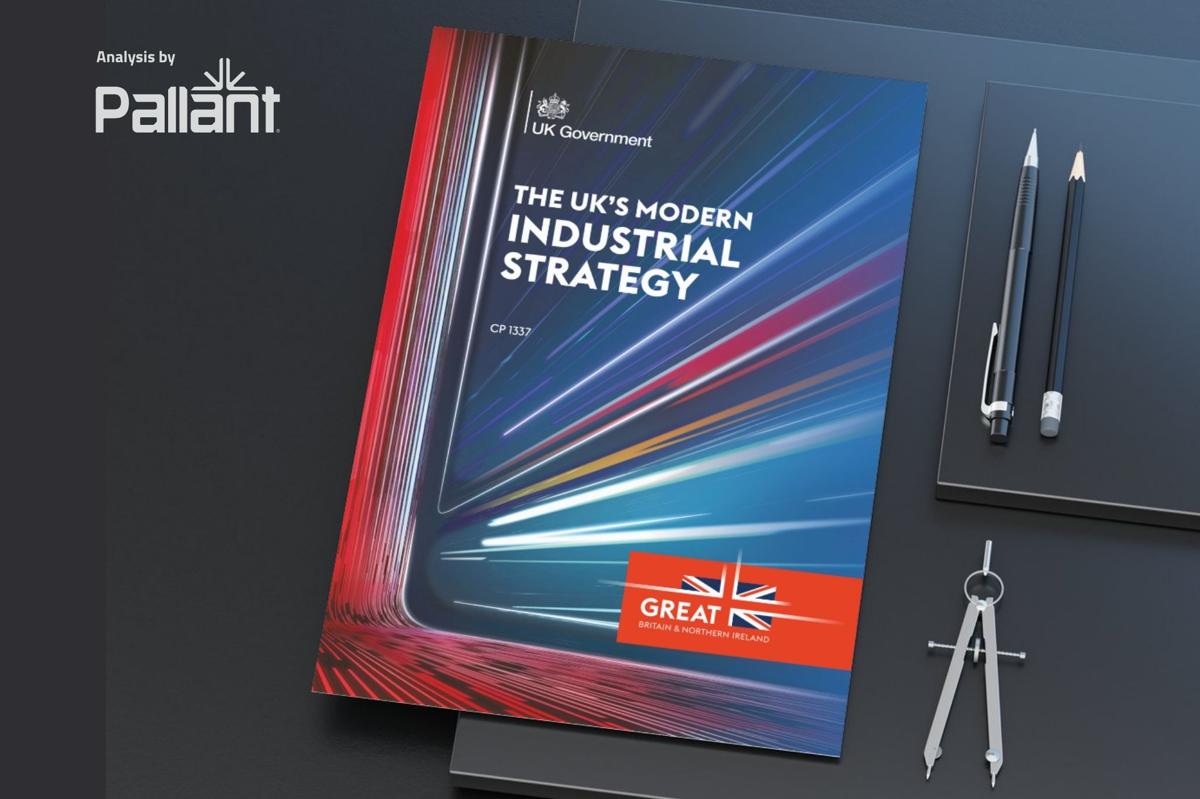
The government's Defence Industrial Strategy sets out to make defence an engine for growth, backing UK industry through new Defence Growth Deals, while the wider Modern Industrial Strategy commits to raising defence investment to 2.6% of GDP by 2027, with an ambition to reach 3% in the next Parliament, and names advanced manufacturing and defence among its priority sectors.
If you run an engineering or manufacturing company, you have almost certainly noticed the growth, and you can see that the capability you have built in aerospace, automotive, composites, or precision manufacturing could transfer directly into defence work.
The opportunity is here. The problem is that wanting to be in the defence supply chain and being visibly ready for it are two different things. Defence contractors and MOD procurement are not looking for companies that could be a fit. They are looking for companies that have already proven they can deliver on quality, on compliance, and on relevant capability. Right now, most companies hoping to expand into the sector haven't made that case anywhere a buyer can see it.
This is where the work starts.

Why capable companies get overlooked for defence work

Expanding into defence comes down to two things: capability and compliance. You need to show that the work you already do in other sectors is directly applicable to defence requirements, and you need to show that you hold the quality standards and accreditations that make you eligible to bid in the first place. Most companies have a lot of this in place but are not communicating it to buyers.
The capability gap
The capability gap is rarely a real gap. It is a visibility gap. You may be running newer processes, better equipment, or tighter tolerances than your website suggests, because the website was last updated two or three years ago and your capabilities have moved on since. A defence contractor reviewing your company sees the old picture, not the current one.
The compliance gap
The compliance gap works the same way. ISO 9001, AS9100, Cyber Essentials, JOSCAR registration, and the rest are the entry tickets to large-scale defence bidding. If those credentials are buried, out of date, or absent from your website, a procurement team carrying out early supplier research has no way to confirm you qualify, and quietly moves on.
This matters more now that the Defence Industrial Strategy is opening defence supply chains to smaller suppliers, with a target to increase MOD spending with SMEs by £2.5 billion by May 2028 and procurement reforms designed to bring new companies into major programmes. The door is wider, but you still have to prove you belong on the other side of it.
Then there are the case studies. Many companies have done work that maps almost perfectly onto a defence requirement, but it sits in a sector folder, undocumented and uncredited online. A buyer looking for a supplier who has solved their exact problem cannot find the proof that you already have.
You don't lose these opportunities because you weren't the right fit. You lose them because no one could see that you were.
Why traditional marketing doesn't work in this sector
Generic marketing treats every sector the same. A defence procurement decision is nothing like a consumer purchase, and the tactics that work for selling sports equipment actively undermine trust in a technical business.
Why your website is losing you work
Most websites are built to reassure people who already know you, not to convince a defence buyer who doesn't. They describe what the company does in broad terms and leave the buyer to dig for the things that decide a shortlist: which standards you hold, which sectors you have delivered in, and whether you can be trusted with a sensitive programme. A buyer evaluating you cold won't dig. If those answers aren't immediate and obvious, your website quietly works against you, and you never find out which opportunities it cost you.
Why generic SEO keeps you invisible
Generic search engine optimisation produces commodity text that reads like every other supplier's website. Modern search systems, and the buyers who use them, are better than ever at filtering out AI slop. What they reward is original, expert-led content that demonstrates genuine capability and real-world experience, the kind that tells procurement teams exactly why your other-sector work qualifies you for theirs.
Why broad Google Ads waste your budget
Traditional Google Ads campaigns burn budgets on broad, expensive keywords and attract enquiries from people nowhere near a supplier decision. When a defence buyer spends months evaluating and qualifying suppliers, you need marketing that builds trust across a long decision-making process, not one that chases clicks. Our campaigns are built to reach buyers who are actively sourcing new suppliers for defence programmes, at the point in the process where eligibility and trust matter most.
The 3-step B2B marketing process for the defence supply chain
We apply a structured 3-step process to ensure your company shows up and stands out throughout the decision-making process, from the first supplier search to the final shortlist.
Step 1: Foundations and conversion
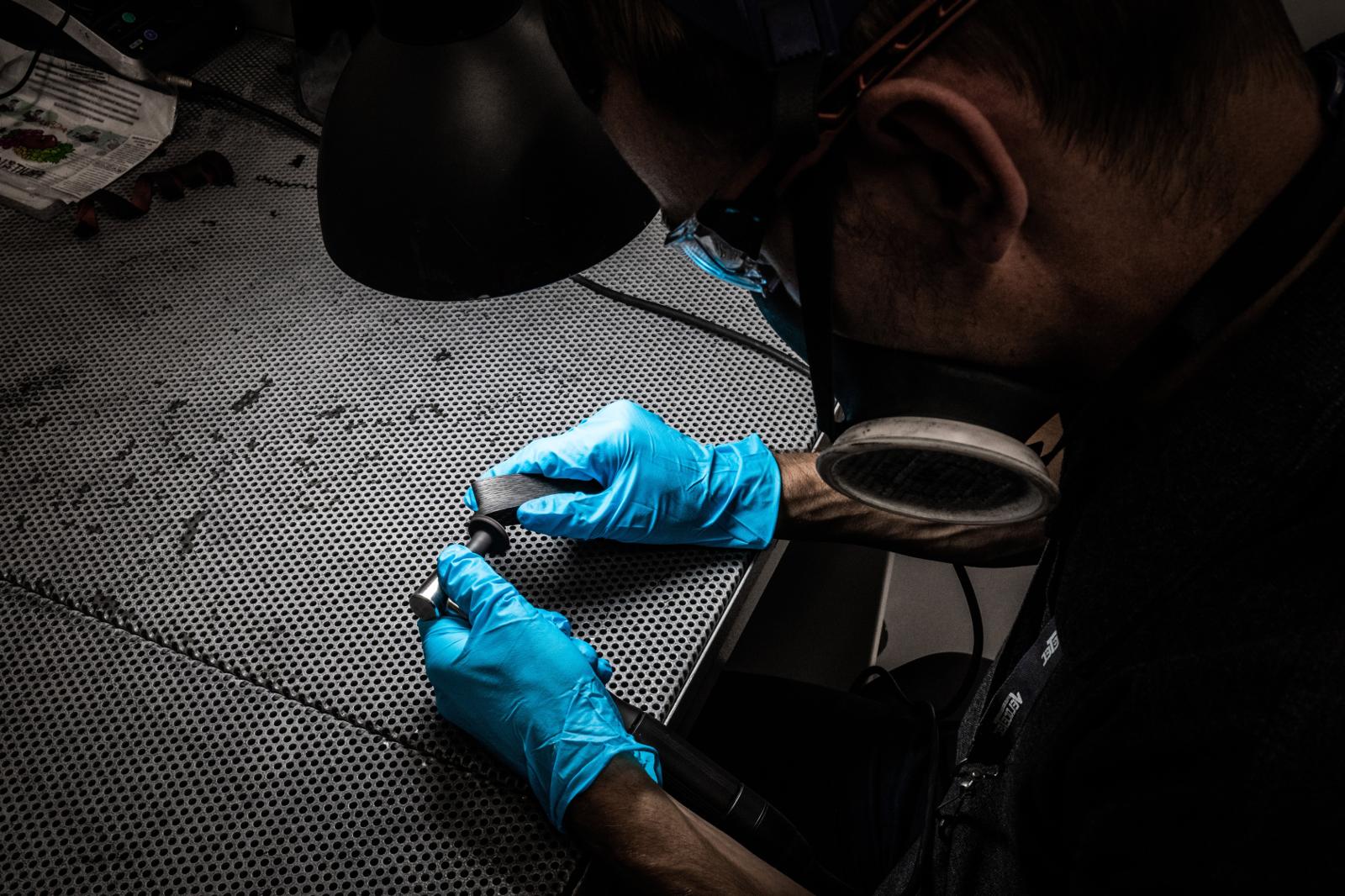
The starting point is a website that proves you are defence-ready. That means clearly presented certifications and accreditations, professional photography of your facility and team, and content that answers the eligibility and capability questions procurement teams are actually asking. We restructure your website around your current capabilities, not the ones you had when it was last built, so the work you do today is the work buyers see.
We provide web design and ongoing website management for defence companies. Our fully managed service covers hosting, security, and content updates, with a complete website refresh every two years to ensure your website always reflects your current capabilities, accreditations, and team. For a company moving into defence, that ongoing accuracy is the difference between making the shortlist or being out in the first round.
Step 2: Trust and consideration
Once your foundations are in place, we make sure you appear when buyers and engineers are actively comparing capabilities, specifications, and credentials. We produce detailed case studies and capability content that reframe your existing work for a defence audience, structured to appear in traditional search results, Google AI Overviews, and AI tools like ChatGPT and Claude.
This is where dormant case studies become commercial assets. The automotive or aerospace project that demonstrates exactly the tolerance, material, or process a defence programme needs is documented, optimised, and put in front of the people who are sourcing it. Targeted Google Ads accelerate this stage, putting you in front of decision-makers at the exact moment they are searching for your specific capability.
Step 3: Awareness and network scaling
Defence programmes are won inside networks you may not yet be part of. Step three is about reaching the buyers, procurement teams, and design engineers who don't yet know your company exists or don't yet think of you as a defence supplier.
We create easy-to-share insights that introduce your capability to a wider defence audience, both through LinkedIn and at industry and trade events. Highly targeted LinkedIn Ads extend your reach well beyond your existing network to the procurement teams, designers, and engineers specifying suppliers for the programmes you want to join.
Joining a network like Make UK Defence or exhibiting at DSEI puts you in the room with the right buyers, but membership and a stand are only the start. The companies that get a return are the ones a buyer can look up afterwards and immediately understand. We make sure your visibility online matches the impression you make in person, so the connections you build at events have somewhere credible to land and turn into followed-up enquiries.
Case study: how DASIS's website opened the door to Lockheed Martin and Drone Major
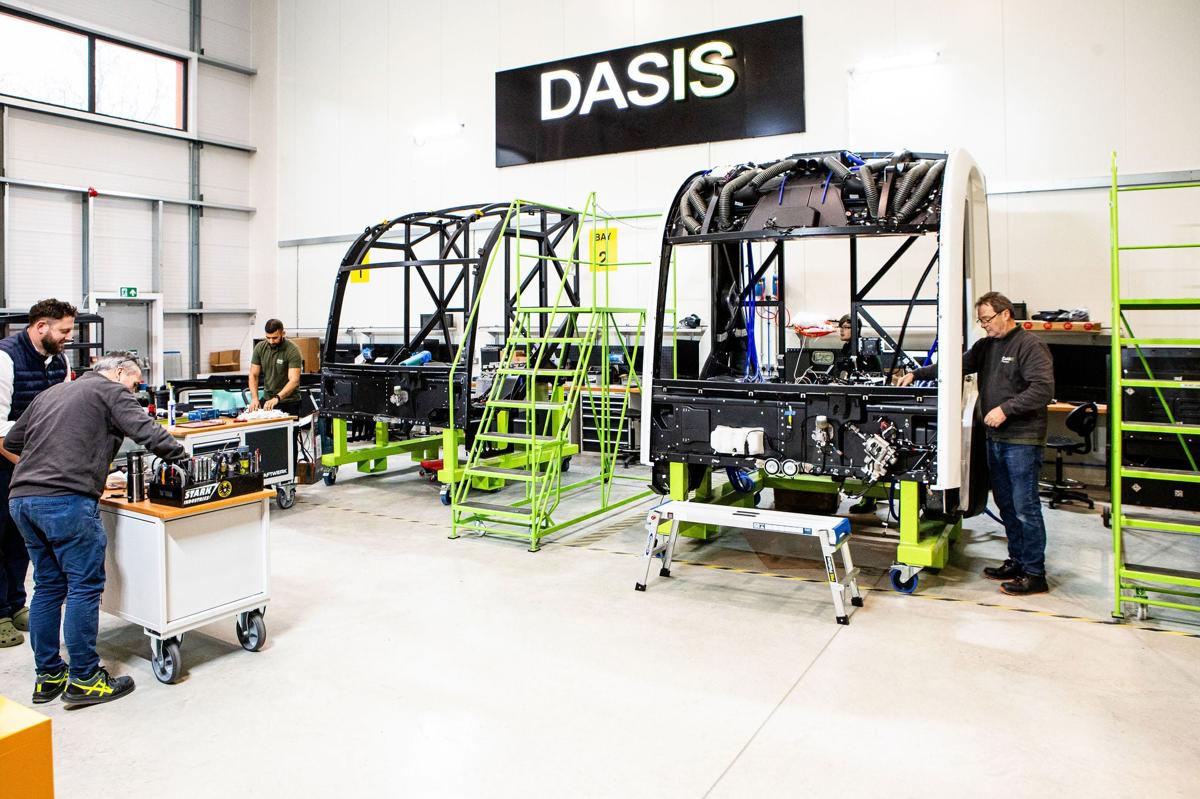
DASIS Partners, an end-to-end design and manufacturing solutions provider in Havant, already had the capability and the accreditations to work in defence. What they needed was a website that made both impossible to overlook.
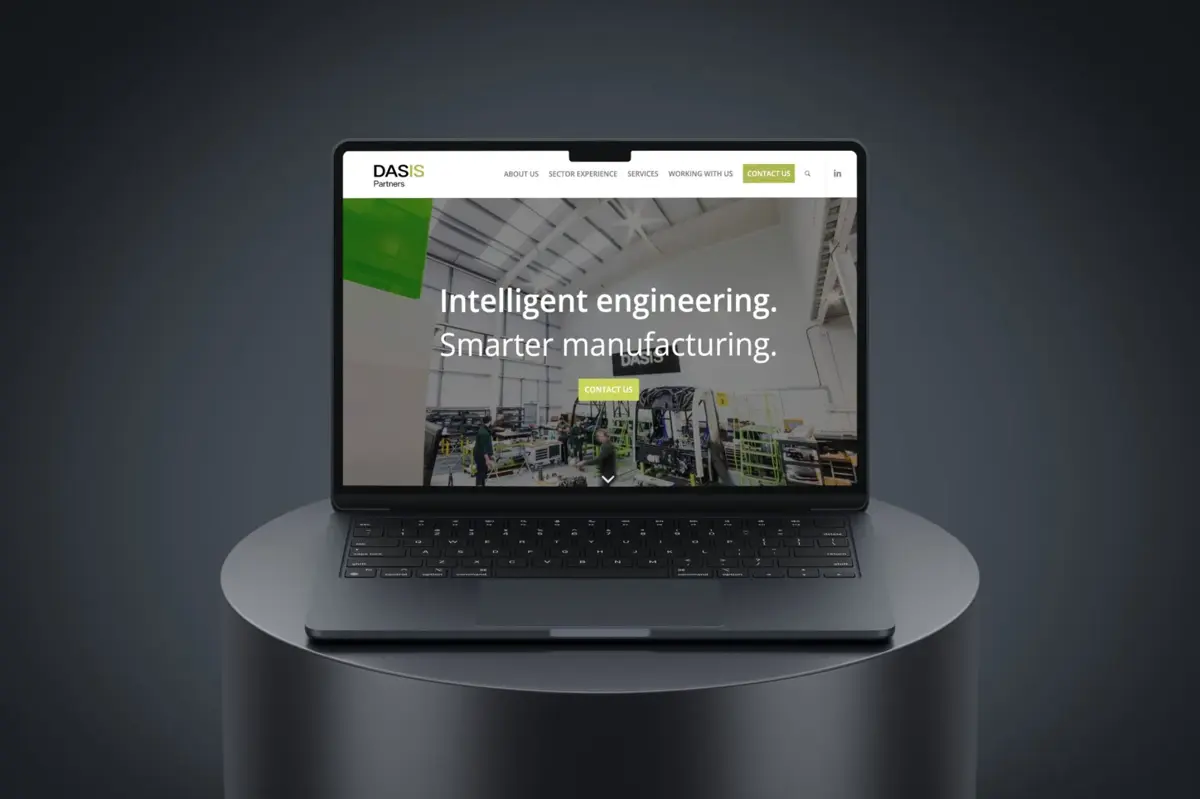
We built DASIS a website around their "Consult, Design, Manage, Make" framework, combining on-site photography of their facility and team with clear technical content and their accreditations, JOSCAR, Cyber Essentials Plus, and ISO 9001:2015, set out up front. With their capability and their compliance presented in one place, buyers carrying out early supplier checks could confirm DASIS qualified before a conversation had even started.
That made the tendering process far simpler. Lockheed Martin UK toured the DASIS facility and nominated them through the SMEUNITE platform, which kept the RFQ and contracting process straightforward from first contact to nomination. Lockheed Martin UK's feedback after the visit was that the range of projects DASIS had documented showed experience in several areas they were actively working in, leaving DASIS well placed to contribute from low-volume early stages through to future production.
Keeping an accurate, current picture of the projects DASIS have delivered, the team behind them, and their technical capabilities has done more than win a single contract. It has supported their expansion into the defence market with both Lockheed Martin and Drone Major.


Staying visible as search and AI change
Defence supply chain buyers increasingly use AI tools and automated discovery software to carry out their initial supply chain research. If your website isn't structured to be read by these systems, your company can be filtered out before a human buyer ever sees your name, regardless of how well you would have qualified.
Generic AI-generated content has flooded search results, and modern systems are designed to filter it out. What they reward is original, people-first content built on genuine capability, the kind that only comes from companies with real engineering and manufacturing experience to draw on. That is not something that can be automated or generated by AI in a single prompt.
We don't just create content. We also optimise the underlying structure of your website so that AI tools and automated systems can read your capabilities and accreditations accurately.
How do we make websites more AI-readable?
- Accessibility tree optimisation: We build a semantic map of your technical capabilities, certifications, and operational roles, enabling software agents to extract and verify your data without being blocked by visual layouts.
- Layout stability: We use clean, standardised code frameworks that eliminate shifting elements. When an AI tool parses your website, your technical data is exactly where the machine expects it to be.
- Semantic schema architecture: We embed structured data directly into your website code, defining your manufacturing capabilities, material specialisms, and quality accreditations in a standardised format that AI search systems can instantly validate.

NDAs and protecting sensitive work
Defence work almost always means operating under non-disclosure agreements, security requirements, or proprietary processes you can't discuss publicly. The same is often true of the other-sector work you would use to prove your capability. You don't need to publish confidential details to gain visibility or persuade procurement teams.
We shift the focus from how you do it to what you achieve. Anonymous project outcomes, technical challenges solved, team qualifications, and accreditations like ISO 9001, AS9100, or Cyber Essentials Plus give buyers the validation they need to shortlist you, without exposing anything sensitive. This is exactly how you make a controlled, non-disclosed automotive or aerospace project work as proof of defence capability. And if you are considering a future sale, documented but protected IP is a commercial asset, not just a legal one.
A partner who meets the standards your sector demands
Marketing your company for defence means trusting a partner with your website, your case studies, and sometimes commercially sensitive information. That partner becomes part of your supply chain, and a weak link there is a risk to you and to your bids.
Pallant is JOSCAR registered, assessed against the same Joint Supply Chain Accreditation Register that defence contractors and Tier 1 suppliers use to vet their own suppliers. It means we have already been independently checked against the standards your buyers expect, so you can bring us in without adding compliance risk to your supply chain. You can view our JOSCAR certificate.
Tracking real return on investment
AI tools generate highly personalised answers that traditional keyword-tracking software cannot follow. That makes the ranking reports many marketing companies rely on an increasingly unreliable measure of whether your investment is working.
We measure concrete, observable signals instead:
Engagement metrics
How long targeted visitors spend reading your capability and accreditation content.
Scroll depth
Whether decision-makers are consuming your full case studies and capability pages.
Internal interactions
How prospects move through your accreditations, facility specifications, and service pages.
Conversion actions
Direct tracking of high-intent actions including RFQ submissions, quote requests, and requests for technical conversations.
No black-box reports. No vanity metrics. Just evidence that the right people are finding you and taking action.

Would you make the shortlist?
Buyers shortlist two or three suppliers before they speak to anyone. Tell us the work you want and we will record you an 8-minute walkthrough showing how your website reads to them, the moment you would be dropped, and the two things that would change it.
Your next step
The defence opportunity is open now, but the companies that win places on these programmes will be the ones who look ready before the bidding starts, not the ones who scramble to catch up once it has. The Modern Industrial Strategy is a ten-year plan, and many of its schemes are still taking shape, so the work of positioning your company should start while buyers are still deciding who to consider. The detail sits in the government's Advanced Manufacturing Sector Plan and Defence Industrial Strategy.
Whether you want to qualify for defence supplier lists, prove that your existing capability transfers into defence work, or get your accreditations and case studies working as the commercial assets they should be, our process is built to attract the right leads consistently, not just more of them.
Let's review your current website visibility and plan your path to becoming a credible, defence-ready choice for the prime contractors and Tier 1 buyers that matter most to your business.
If you have a particular goal in mind, we have a guide for each: scaling beyond your network, expanding into new sectors, and increasing the value of your business before a sale or exit.