
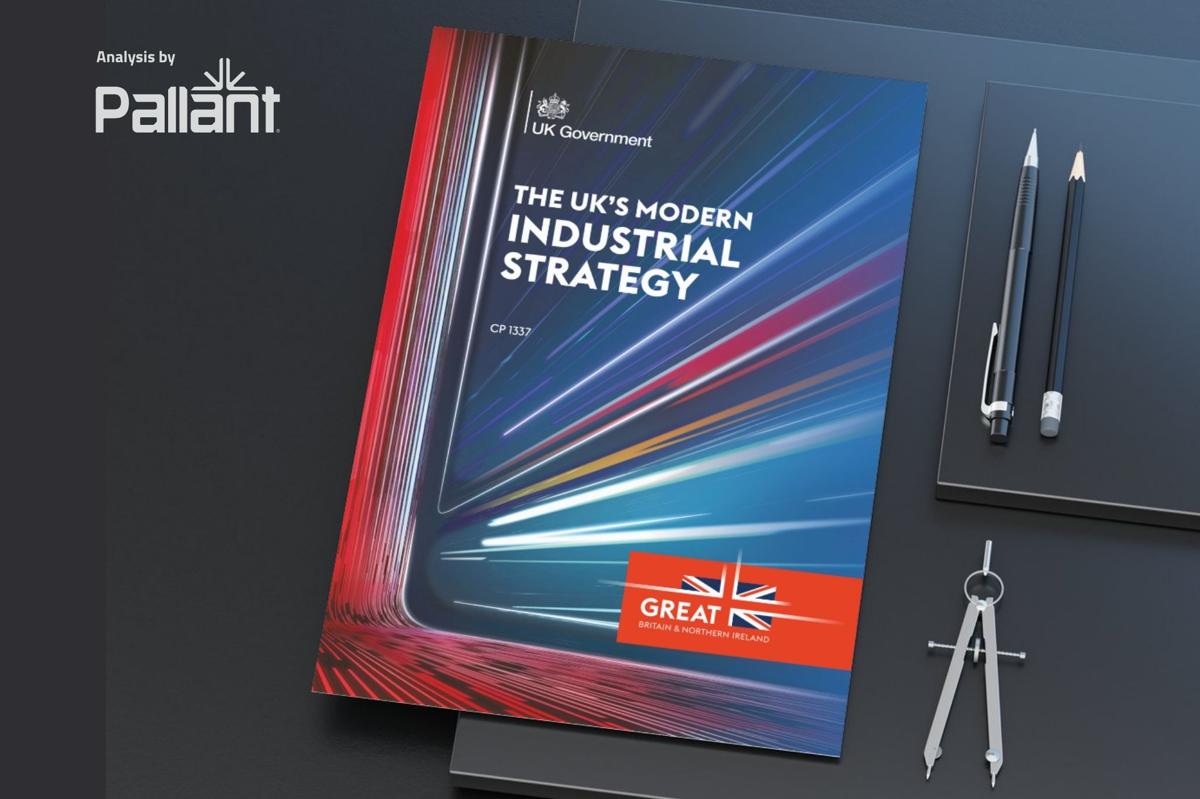
The UK Modern Industrial Strategy aims to make the UK a global leader in advanced manufacturing, backing it as one of eight high-growth sectors, the IS-8. The plan is to nearly double annual business investment in the sector, from £21 billion to £39 billion by 2035.
This page is our analysis of what that means for advanced manufacturing companies and their supply chains, and what to do about it now. For the wider picture across all eight sectors, start with our UK Modern Industrial Strategy overview.
Why advanced manufacturing, and why now
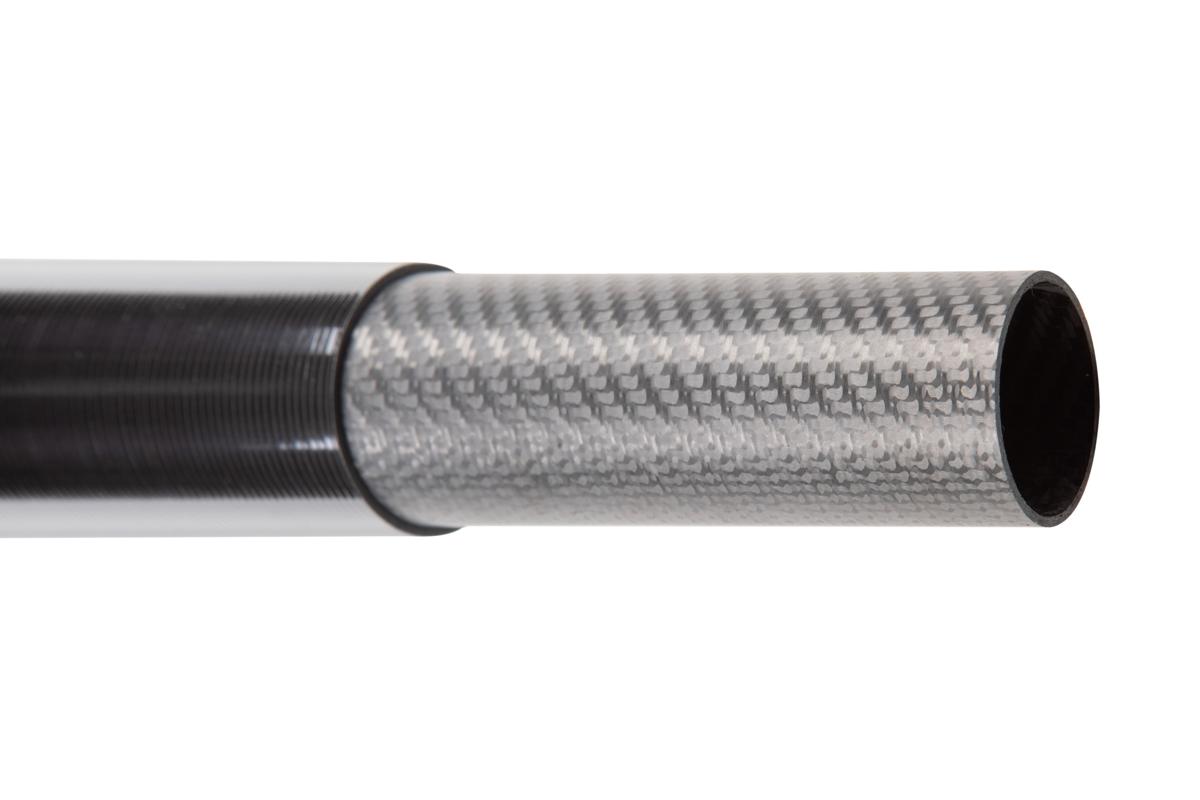
The strategy is honest about the challenges the sector faces: the highest industrial electricity prices in the developed world, slower adoption of automation than competitors, limited access to long-term growth capital, skills shortages, and fragmented regional supply chains. It commits £4.3 billion, including £2.8 billion for R&D over five years, to tackle them, and prioritises the frontier industries with the greatest growth potential: automotive, batteries, aerospace, space, composites and advanced materials, and agri-tech. Composites are among the advanced materials it backs: the UK composites industry was worth £13.4 billion across nearly 50,000 high-value jobs in 2023, and the strategy commits to scaling up composites R&D through the National Composites Centre in Bristol (Composites UK).

There are signs the message is landing with manufacturers. A Make UK survey of senior executives found 57% believed a long-term industrial strategy would lead to increased investment, despite near-universal concern about wage and energy costs (Financial Times, January 2025). That is the opportunity: the confidence to invest is there, and the companies that get found first will capture the work it creates.
What are the opportunities for advanced manufacturing companies
The UK Modern Industrial Strategy and the Advanced Manufacturing Sector Plan address key challenges and open up significant opportunities.
Lower energy costs. The UK has the highest industrial electricity prices in the International Energy Agency, with steelmakers paying around £66/MWh against £50 in Germany and £43 in France, according to Make UK (Financial Times, June 2025). The British Industrial Competitiveness Scheme is designed to close that gap, cutting electricity costs by up to 25% for energy-intensive manufacturers in sectors including automotive, aerospace, and chemicals, by exempting them from green levies. From April 2026, the British Industry Supercharger lifts network charge compensation from 60% to 90% for around 500 eligible businesses.
Automotive funding you can apply for. DRIVE35 commits £2.5 billion to the automotive sector, covering electrification, batteries, and connected and autonomous mobility, and its Supplier Readiness and Transformation scheme is already live through growth hubs in the West Midlands and North East. A £650 million electric vehicle grant scheme is supporting consumer demand, and recent rounds have committed £70 million to over 50 automotive projects and £190 million to aerospace R&D. Automotive is the UK's largest goods exporter, contributing over £25 billion in value and supporting nearly 800,000 jobs, and the trade body SMMT points to a £50 billion growth prize from the right conditions. Smaller specialists are central to it: small-volume manufacturers alone support around 60,000 jobs across the UK supply chain and export roughly 90% of their output (SMMT).
Access to finance. The British Business Bank has been refocused on the eight industrial strategy sectors (Financial Times, February 2025), with an additional £4 billion of Industrial Strategy Growth Capital and direct investments up to £60 million. The National Wealth Fund is deploying £27.8 billion into capital-intensive projects and supply chains, and UK Export Finance has up to £80 billion to back exporters.
Innovation and technology adoption. An R&D budget of more than £86 billion over the Spending Review period is targeted at the IS-8, including up to £2.8 billion for advanced manufacturing. The Made Smarter Adoption programme is being upscaled with up to £99 million to help SMEs integrate digital technologies, and a new £40 million Robotics Adoption Hubs network will accelerate take-up of robotics.
Skills and talent. Over £100 million across three years will support engineering skills, including new Technical Excellence Colleges, alongside a more flexible Growth and Skills Levy covering short courses in AI, digital, and engineering from April 2026, and a £54 million Global Talent Fund.
Supply chains, planning, and place. Upcoming Critical Minerals and Steel strategies aim to secure vital inputs, procurement reforms set targets for direct spend with SMEs, and a £600 million Strategic Sites Accelerator is bringing investable sites forward faster. The strategy is "unashamedly place-based," concentrating support in clusters across Glasgow, Greater Manchester, the North East, South Yorkshire, and the West Midlands.
What's live now
Several programmes are already open or imminent: DRIVE35 supplier readiness funding, the British Industrial Competitiveness Scheme for energy costs from 2027 with payments backdated to April 2026, the British Business Bank's growth capital, the Made Smarter Adoption programme, and the Global Talent Fund. The reshoring of manufacturing and the drive to strengthen domestic supply chains mean primes and programme leads are actively looking for capable UK suppliers right now.

The honest picture, and why it works in your favour
The support is real but not unlimited. When the government expanded the British Industrial Competitiveness Scheme to a £600 million-a-year programme covering 10,000 manufacturers, Make UK welcomed it but warned it would only "scratch the surface," having lobbied for it to reach all 130,000 businesses in the sector, and the CBI called it "not job done" (Financial Times, April 2026). Funding is being concentrated on priority sectors and the companies that can demonstrate they belong in them.


That concentration is the reason to act now. With finance and procurement deliberately steered toward the industrial strategy sectors, the advantage goes to the manufacturers a buyer, investor, or programme can quickly identify as a credible fit. Being visibly part of advanced manufacturing, with current capability and the right accreditations on show, is what gets you considered when the funding and contracts are allocated.
What to do now
We apply a structured 3-step process to ensure your company shows up and stands out from the first supplier search to the final shortlist. DW Plastics is a good example. We created reshoring content that attracts buyers looking to reshore production and build more resilient supply chains.

Step 1: Foundations and conversion
Step 2: Trust and consideration
Step 3: Awareness and network scaling
This is the heart of our marketing for advanced manufacturing and B2B lead generation work: turning the investment this strategy is creating into qualified enquiries.
Get quarterly email updates when funding applications are announced
New schemes, deadlines, and investment commitments land every quarter. Join our mailing list and we'll send you the updates that matter for your sector as they're announced, so you don't have to keep track and read all the new documentation yourself.
Prefer to talk it through first? Book a call with Simon.
Let's talk
You can speak with Simon Batchelar, Co-Founder and Marketing Strategy Consultant at Pallant, who has prepared this analysis and can discuss how your business can position itself to benefit from the funding and support available.
If this funding is the reason you are looking at a sector you do not currently serve, our guide to expanding into new sectors covers what it takes to be found and shortlisted by buyers who have never heard of you.

Sources and further reading
- UK Modern Industrial Strategy (full policy paper)
- Industrial Strategy Sector Plans
- Industrial Strategy Prospectus
- Quarterly update: July to September 2025
- Industry analysis: SMMT (automotive) and Composites UK (advanced materials).
- Commentary (Financial Times): Energy prices to be cut for businesses as part of UK industrial strategy (June 2025); UK business urges more action on energy bills as ministers set out £600mn scheme (April 2026); UK manufacturers increase pressure on government over industrial strategy (January 2025).
Last reviewed June 2026. We update this analysis as the government publishes new commitments and quarterly delivery data.