The question behind every offer
When an investor or a buyer looks at an engineering or manufacturing business, they are answering one question in several different ways. Does this keep working without the person who built it?
They will look at management, at cash generation, at customer and supplier relationships, at whether the product or service is defensible. Most owners prepare for the financial side of that, and most prepare well. The part that gets left is how the work arrives.
If the honest answer is that the work arrives because of who the founder knows, the buyer is not buying a pipeline. They are buying a relationship that is about to walk out.

Founder dependence has a sales and marketing half
Key-person risk is well understood when it comes to operations. Owners know they need a second tier of management and are usually working on it.
The same risk in the pipeline gets missed, because it does not look like a risk. It looks like a strength. The founder knows everyone, the phone rings, the order book is full.
We put this to David Atkinson of Panoramic Growth Equity, who invests between £2m and £8m in UK SMEs. His answer was that reducing dependence on the owner is "critical, across the whole business including sales and marketing", and that a business should not be in a position where "it's just you that holds all the customer contacts, or the contacts with suppliers".
That is the investor's view of what marketing is for at this stage. Not promotion. De-risking.

What raises the number, and what quietly lowers it
Three things about demand tend to move a valuation, in either direction.
Predictability. Revenue that arrives in lumps is worth less than the same revenue arriving steadily, because the buyer has to discount for the quarters they cannot forecast.
Provability. A pipeline you can show, with sources, volumes and conversion rates, is an asset in the data room. A pipeline you describe from memory is a story.
Independence. Enquiries that arrive through a system the business owns are worth more than enquiries that arrive through a person the business is about to lose.
None of that requires you to grow faster. It requires the growth you already have to be visible, repeatable and attributable to something other than you.

The 3-step process, applied to exit
Step 1: foundations and conversion
Step 2: trust and consideration
Step 3: awareness and network scaling
Run these twelve to twenty-four months before you start a sale process and you have a track record rather than an intention. Start six weeks before and you have a website. The 3-step process explains each stage in full.
We have watched owners do this well, and badly
Pallant has been marketing engineering and manufacturing companies since 2003, through two recessions and more than 450 businesses. The pattern that separates a good exit from a disappointing one is rarely the quality of the work. It is whether the demand for that work can be shown to belong to the company.
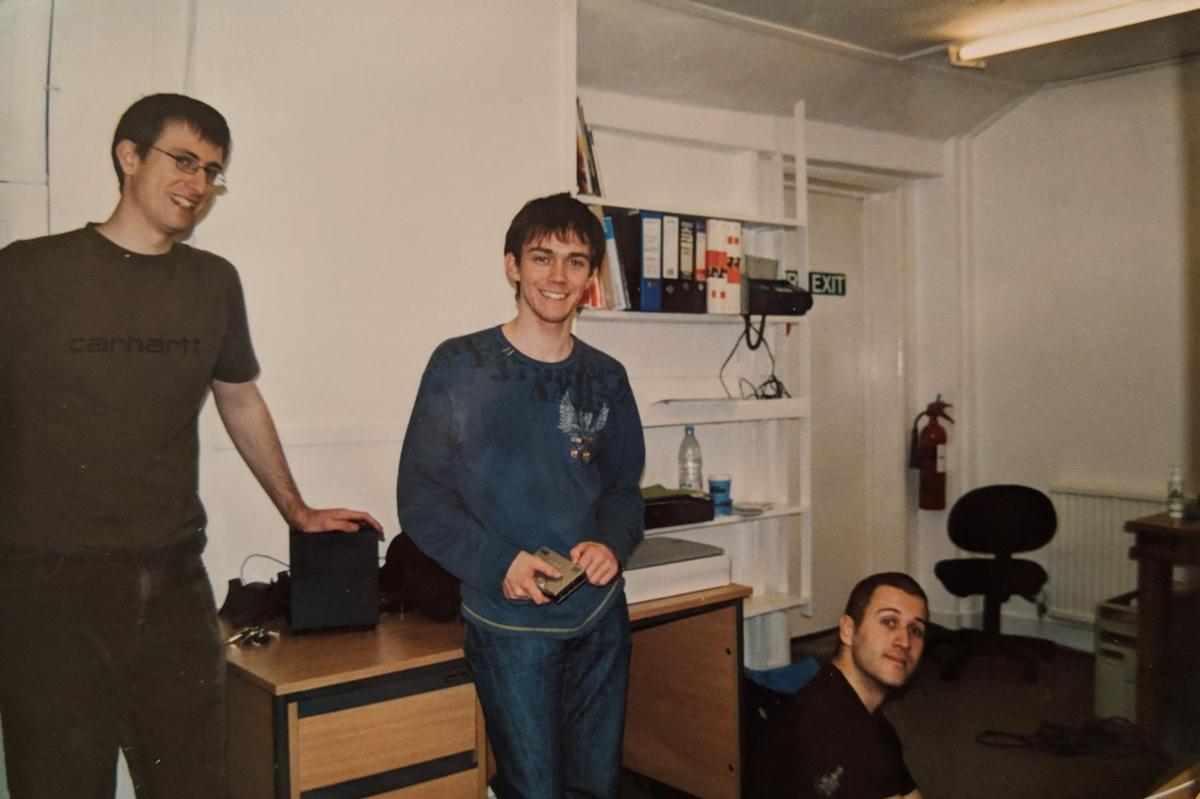
You work directly with Ben and Simon throughout, which is worth saying plainly when the whole subject is dependence on individuals.
Where marketing sits alongside the rest of the work
Getting a business ready to sell is not only a marketing job, and we would not claim otherwise.
Clean systems that survive due diligence, and a leadership team that means the business runs without you, matter at least as much. Our partners at Precision Scaling Partners cover both, and their guide on preparing a technical business for exit sets out the full picture with a readiness timeline.
Our part is the pipeline, and the evidence that it is not you. If you would like the marketing side planned properly, that is our B2B marketing strategy work.

An honest note
We help companies make their revenue provable and their growth independent of the founder. We are not accountants, corporate finance advisers or lawyers, and nothing here is financial or legal advice. Get proper advice on valuation, structure and tax from people qualified to give it.
Frequently asked questions about marketing before a sale or exit
How far ahead should we start?
Twelve to twenty-four months. The point is to have a record, not an activity. A buyer looking at twelve months of steady enquiry data from a channel the business owns sees something different from a buyer looking at a website that was rebuilt last quarter.
Will this actually change the price?
It changes what the buyer is willing to believe about future revenue, which is what a valuation rests on. We cannot promise a number, and anyone who does is guessing. What we can do is make sure the pipeline is provable rather than anecdotal.
We have very few, very large clients. Is that a problem?
Buyers do look closely at concentration, and a small number of large accounts makes them nervous even when the relationships are excellent. Adding a visible flow of new enquiries is one of the few things you can do about it inside a year.
Most of our work is under NDA. What can we even show?
More than owners expect. The approach is to lead with the outcome and the problem solved rather than the technical detail or the client's name. We do this routinely, and the article on marketing when you have an NDA sets out how.
What if we are not selling, just stepping back?
The work is the same. Succession, bringing in management, releasing equity or selling outright all need the same thing: the business has to run, and the enquiries have to arrive, without you.
Your next step
If you want an outside read on how your marketing looks to a buyer, take the Shortlist Test. Seven questions, four minutes, and a recorded walkthrough back from us within three working days.